

Programs

Scaling practical, near-term solutions for a more resilient food system
The global food system is reaching an inflection point. Rising costs, supply chain volatility, and accelerating climate impacts are placing unprecedented strain on commodity supply chains—particularly animal-based products. At the same time, animal agriculture is itself a major driver of climate instability and supply disruptions, creating a self-reinforcing cycle of risk. Compounding this challenge, global demand for animal-based foods continues to rise, further intensifying pressure on already stretched systems.
Despite these challenges, protein diversification has struggled to scale within a massive global industry governed by manufacturers, retailers, and foodservice operators who ultimately decide what reaches menus and shelves. Innovations repeatedly run into the realities of cost, operations, and consumer behavior.
Today, pressures across the value chain are converging. Manufacturers need more reliable and price-stable supply, foodservice operators and retailers face growing pressure to reduce emissions while protecting margins, and consumers continue to prioritize foods that are delicious, affordable, and familiar.
The need for change is urgent, and finding fast routes to progress depends on solutions that can scale within the complexity of today’s food system.
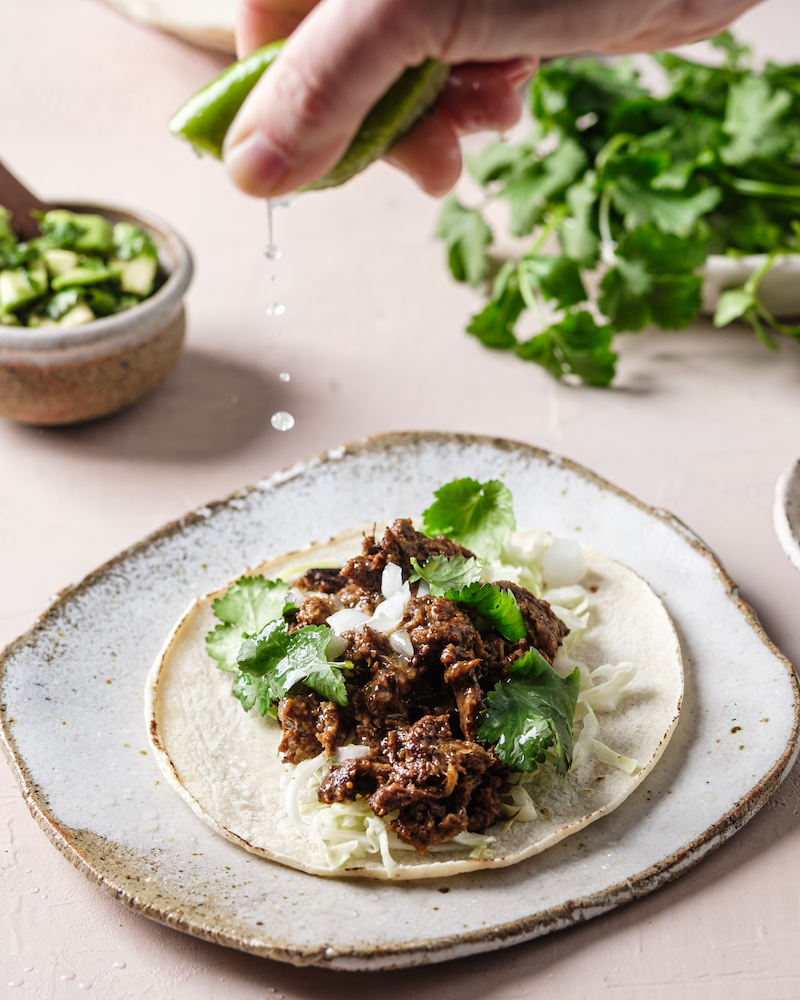
Introducing Balanced Proteins
FSI defines Balanced Proteins as meat, poultry, dairy, egg, or seafood products that substitute at least 30% of the animal-based ingredients for ingredients made from plants, cultivated animal cells, and/or microbial fermentation.
For protein innovation to scale, products must meet three non-negotiable criteria:
Taste great
Deliver value to consumers and industry
Earn trust across the supply chain
Balanced Proteins meet all three.
Taste
Taste remains the primary driver of food choice: 91% of US consumers rate it as very-to-extremely important in purchase decisions.
In blind sensory tests with omnivores, Balanced Protein products have achieved taste parity—and in some cases preference—versus their conventional counterparts.
Value
As prices for animal proteins such as beef, eggs, and fish continue to rise globally, manufacturers, retailers, and foodservice operators face mounting margin pressure while consumers feel increasingly squeezed. Balanced Proteins add value through more affordable supply chains and incremental consumer benefits.
Today, balanced beef products are available at prices comparable to, and sometimes below, conventional options, and surveys show an increased willingness to pay for specific Balanced Protein concepts.
Trust
Operators purchase what is reliable, and consumers buy what feels familiar and trustworthy. Because Balanced Proteins retain animal-based ingredients in recognizable formats, they integrate more easily into existing manufacturing systems and consumer routines. These products show up as the foods people already know and love.
A Flexible, Scalable Product Platform
Balanced Proteins are not a single product or format. They function as a flexible category designed to solve different problems across the value chain and find product–market fit where it already exists.
Balanced Proteins reach the market through two primary pathways: finished products (e.g. beef patties, chicken nuggets, and cheese) and pre-mixed ingredient bases that can be combined with animal products during manufacturing or preparation. This dual approach allows adoption to happen where friction is lowest, whether at the consumer level or deep within existing production systems.
Balanced Proteins also draw on a diverse set of ingredients, including whole foods, upcycled ingredients, plant-based inputs, and mycoproteins. Each contributes distinct functional, sensory, nutritional, and sustainability benefits.
Together, these formats and ingredients give manufacturers the ability to tailor products to specific use cases, consumer preferences, and production constraints—optimizing for taste, cost, nutrition, performance, and sustainability.

Category Growth
Today, the Balanced Protein category is nascent and fragmented, with promising early signals but limited coordination, shared standards, or pathways to scale. The Balanced Protein Consortium is designed to address these challenges.
The Balanced Protein Consortium is a pre-competitive collaboration of food companies, researchers, and civil society organizations working to accelerate the adoption of Balanced Proteins.
The Consortium’s work focuses on three core levers:
Research & Insights
Generating credible, decision-relevant data on consumer acceptance, performance benchmarks, and operational fit to de-risk adoption.
Category Building & Awareness
Elevating Balanced Proteins as a distinct and credible category through thought leadership, communications, and market education.
Industry Engagement
Working directly with manufacturers, retailers, foodservice operators, and suppliers to address barriers to adoption and accelerate real-world deployment.
Together, these efforts compress learning cycles, reduce perceived risk, and align decision-makers around a practical path forward. The result is Balanced Proteins more quickly moving from a promising concept to a durable, scalable category that works within the food system as it exists today.
Leadership
The Balanced Protein Consortium is led by Tim Dale.
Get Involved
To learn more about the Balanced Protein category or explore participation in the Balanced Protein Consortium, visit BalancedProtein.org, follow the Consortium on LinkedIn, or contact Tim@BalancedProtein.org.

“Food sits at the center of everything—culture, health, economics, and climate. Our food system is under real strain, and animal protein is at the heart of many of those challenges. Balanced Proteins offer a practical way forward: one that preserves the foods people love while making the system behind them more resilient and sustainable.”
Photo credits: Fable Food, 50/50 Foods