

Programs

Centering taste as the key design principle for system transformation
Despite billions in investment and hundreds of new products, consumer adoption of sustainable proteins remains stubbornly low. This is largely because the products don’t taste good enough.
Individual manufacturers are working to improve their own products, and some academic studies publish small-scale sensory panels. But there is no large-scale, open-source, rigorous dataset capturing how everyday consumers experience alternative protein products in real-world restaurant settings (blind, with animal benchmarks).
Our goal is to equip stakeholders across the value chain with the sensory insights needed to assess product taste performance and improve underperforming products, ultimately driving greater market adoption of alternative proteins.
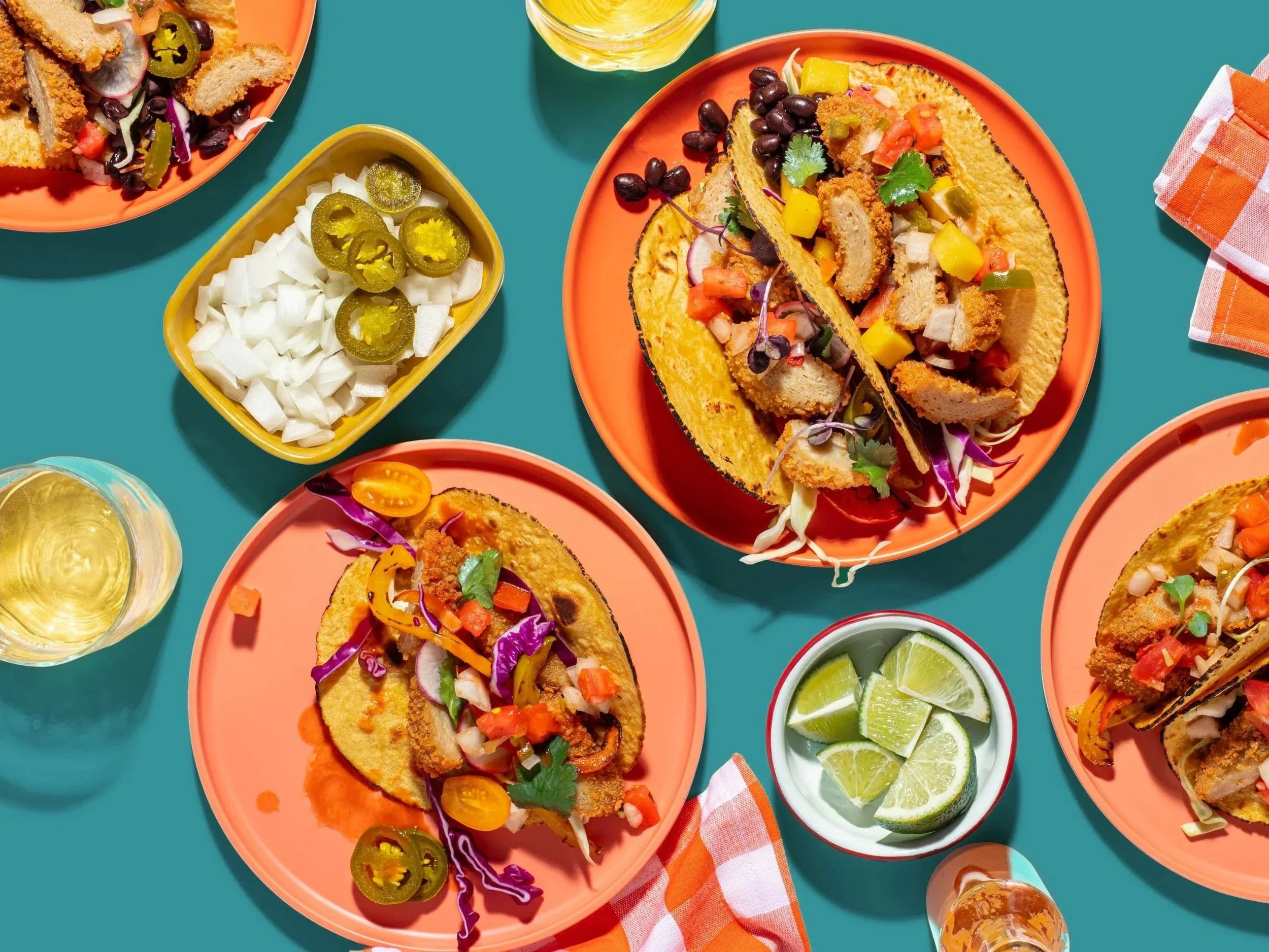
Creating an objective, evidence base for taste
NECTAR addresses the sensory performance gap in alternative proteins through large-scale, consumer testing with omnivore audiences.
Unlike traditional product development that relies on small panels or the preferences of plant-based enthusiasts, we test products the way real consumers encounter them: blind, in-context, and measured against conventional options.
Our theory of change: taste drives trial, trial drives adoption, and adoption drives market transformation.
By creating the world's largest public dataset on the sensory performance of alternative proteins—testing 100+ products annually with thousands of consumers—we’re providing manufacturers, researchers, and industry decision-makers the evidence base needed to make more sensory-informed decisions.
When we know what works (and what doesn’t), innovation cycles compress and capital flows more efficiently toward winning formulations. Winning formulations drive demand.
Empowering stakeholders with actionable data
NECTAR creates impact across multiple stakeholder groups:
For manufacturers and R&D teams: Our blind taste testing reveals exactly how products perform against conventional benchmarks and competitors, providing actionable insights that inform reformulation priorities and help teams understand which sensory attributes drive preference.
For investors and strategic partners: We offer category-level intelligence that de-risks investment decisions and identifies white space opportunities, showing which product segments are closest to sensory parity and where gaps remain.
For retailers and foodservice operators: Our data helps merchandising and menu teams make confident decisions about which products will resonate with mainstream consumers.
For academic researchers and data scientists: We provide access to one of the world’s largest structured datasets on consumer sensory responses to alternative proteins, enabling rigorous, peer-reviewed research on taste perception, product optimization, and consumer behavior.
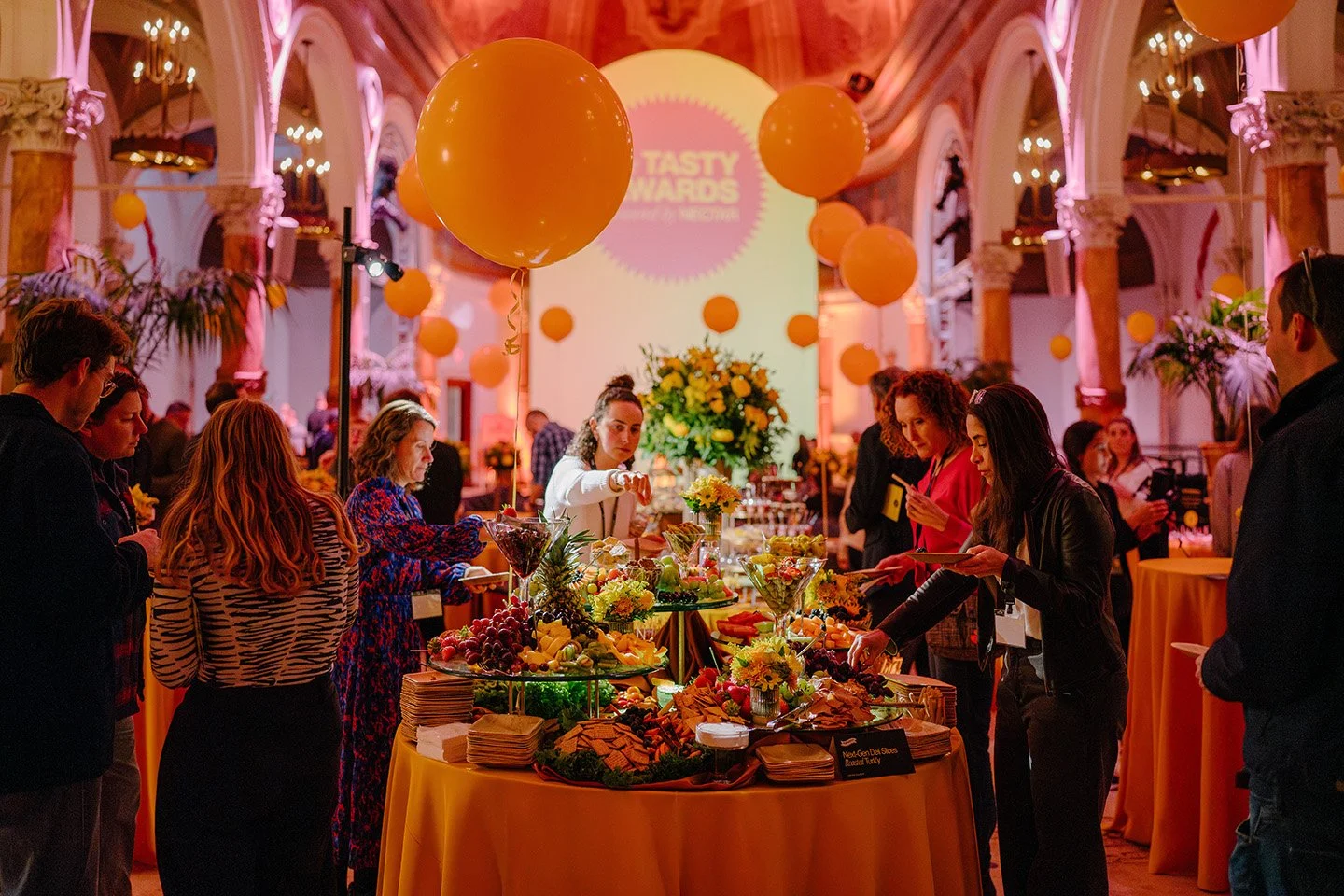
For the broader food system: By celebrating top performers through the annual TASTY Awards and publishing transparent Taste of the Industry reports, we're raising the sensory bar across the entire sector and accelerating the transition toward a more sustainable, resilient protein supply.
Leadership
NECTAR is led by Caroline Cotto.
Get Involved
To learn more about NECTAR and our sensory research, visit NECTAR.org, sign up for our monthly newsletter, The Drop, follow NECTAR on LinkedIn, or contact Caroline.Cotto@NECTAR.org.

“Taste isn’t just one factor in food design; it’s the prerequisite for everything else. Consumers won’t adopt products that don’t deliver on flavor, no matter how sustainable or nutritious they are. If we want to transform the food system, we have to start by making foods that people love to eat.”
Photo credits: Nowadays, TASTY Awards